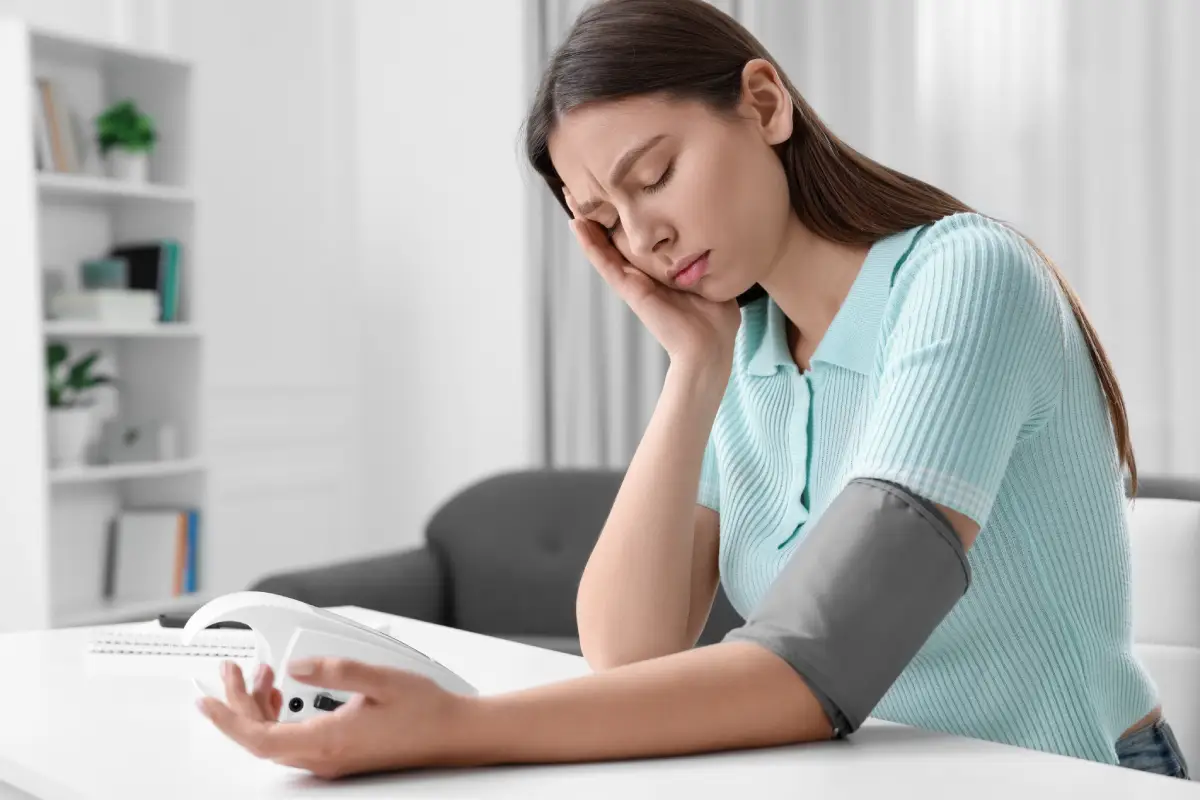
Many people are surprised to learn that anxiety doesn’t just affect the mind; it affects the body, too. One of the most common physical symptoms people report is a sudden spike in blood pressure. If you’ve ever wondered can anxiety cause blood pressure to be high, the answer is yes. Anxiety can temporarily raise blood pressure, sometimes to levels that feel frightening.
At Birch Grove Mental Health, we work with individuals who experience both the emotional and physical effects of anxiety, including changes in blood pressure. Understanding why this happens and when to seek help can give you the clarity and reassurance you need. We are offering Anxiety treatment in Connecticut, Massachusetts, New Hampshire, New York, Rhode Island, and Vermont.
Can Anxiety Cause Blood Pressure to Be High?
Yes. When you’re anxious, your body activates the fight-or-flight response, releasing stress hormones such as adrenaline and cortisol.
These chemicals:
- Increase heart rate
- Tighten blood vessels
- Increase blood flow to major muscles
This sudden shift causes a temporary rise in blood pressure. Even though these spikes are usually short-lived, they can feel intense, especially if they occur during moments of worry or panic.
This explains why so many people search for answers to can anxiety cause blood pressure to be high, especially when they see elevated readings at home or during medical visits.
How High Can Anxiety Raise Blood Pressure?
For many people, anxiety can raise blood pressure by 20 to 30 points, sometimes more.
A panic attack may push the numbers even higher because breathing becomes faster, muscles tense, and adrenaline surges.
Read the difference between Anxiety and Panic Attack
Because this response can feel so strong, it’s easy to assume something is medically wrong when in reality, the spike is often related to anxiety. The key is to understand how often it’s happening and whether it calms down once the anxiety passes.
How Long Does Anxiety Blood Pressure Last?
Anxiety-related blood pressure spikes usually last from a few minutes to about an hour, depending on factors like:
- How long does the anxious moment last?
- How quickly does your nervous system settle?
- Whether you have chronic or generalized anxiety?
For people with ongoing anxiety, these spikes may occur many times over the course of a day. Even though each spike is temporary, frequent episodes can affect long-term health and overall quality of life.
Is Anxiety-Induced High Blood Pressure Dangerous?
Occasional increases from anxiety are generally not dangerous. However, frequent or prolonged episodes can put extra stress on your cardiovascular system. Constant stress hormones can also make your baseline blood pressure harder to manage over time.
So while the spike itself may be temporary, ignoring chronic anxiety may create long-term consequences.
How to Reduce Anxiety-Related Blood Pressure at Home (Immediate but Temporary Relief)
When anxiety suddenly raises your blood pressure, some techniques can help you feel better right away. These strategies provide immediate and temporary relief, but they are not long-term fixes. If these spikes are happening regularly, you must reach out for professional support.
- Deep, Slow Breathing: Slows the heart rate and counteracts the fight-or-flight response. Try inhaling for 4 seconds and exhaling for 6 seconds.
- Grounding Techniques: Focus on what you see, hear, touch, or smell. This helps interrupt overwhelming thoughts.
- Light Movement or Walking: Gentle movement lowers stress hormones and helps bring blood pressure back to normal.
- Hydrate Slowly: Dehydration can increase anxiety and make spikes more noticeable.
- Cut Back on Caffeine: Stimulants like caffeine can heighten anxiety and trigger jumps in blood pressure.
These steps can stabilize you in the moment, but they cannot prevent recurring episodes, especially if your anxiety is persistent. With services available in Connecticut, Massachusetts, New Hampshire, New York, Rhode Island, and Vermont, we can help to tease apart symptoms and create a plan to help ease symptoms. Contact us for an in-person or telemedicine appointment.
When to Seek Professional Help for Anxiety and Blood Pressure Spikes
Preliminary things you can do as mentioned above in an emergency, but you should always seek professional help after that.
You should consider a professional evaluation if you notice:
- Frequent anxiety episodes
- Repeated blood pressure spikes
- Panic symptoms like chest tightness, shaking, or rapid breathing
- Anxiety affecting your sleep, work, or relationships
- Constant worry about your health
- Symptoms that feel out of control
Anxiety is highly treatable, and getting support early can prevent both emotional and physical complications.
How Birch Grove Mental Health Can Help?
At Birch Grove Mental Health, we specialize in professional, medication-focused anxiety treatment that is tailored to your unique symptoms.
Our Anxiety treatments help:
- Reduce the frequency of anxiety episodes
- Prevent recurring blood pressure spikes
- Calm the nervous system
- Regain control of daily functioning
- Feel more stable, confident, and grounded
Our team understands how frightening anxiety-related blood pressure spikes can feel. With proper evaluation and the right treatment plan, you can experience lasting relief, not just temporary moments of calm.
If anxiety is affecting your physical health or causing noticeable blood pressure changes, we encourage you to reach out for a free consultation at Birch Grove Mental Health. Support is available, and your well-being is worth prioritizing.