
Heart palpitations can feel frightening, especially when they happen suddenly or without warning. Many people describe them as a racing heart, fluttering in the chest, skipped beats, or a pounding sensation that makes them hyper-aware of their heartbeat. When these symptoms appear during stressful moments, many begin asking the same question: Can anxiety cause heart …

Heart palpitations can feel frightening, especially when they happen suddenly or without warning. Many people describe them as a racing heart, fluttering in the chest, skipped beats, or a pounding sensation that makes them hyper-aware of their heartbeat. When these symptoms appear during stressful moments, many begin asking the same question: Can anxiety cause heart palpitations?
The answer is Yes. Anxiety is one of the most common causes of heart palpitations, particularly among individuals dealing with chronic stress, panic attacks, or anxiety disorders. Although anxiety-related palpitations are often harmless, they can still feel overwhelming and may interfere with daily life.
Understanding why anxiety affects the heart can help reduce fear and encourage people to seek the right support when symptoms become persistent or disruptive. At Birch Grove Mental Health, we help individuals understand the emotional and physical effects of anxiety while offering evidence-based treatment options, including medication management and personalized mental health care designed to support long-term wellness.
What Are Heart Palpitations?
Heart palpitations are sensations that make you suddenly aware of your heartbeat. They may feel like your heart is beating too fast, too hard, or irregularly. Some people notice these sensations in the chest, while others feel them in the throat or neck.
Palpitations can happen occasionally or repeatedly throughout the day. They may last for a few seconds, several minutes, or even longer in some cases.
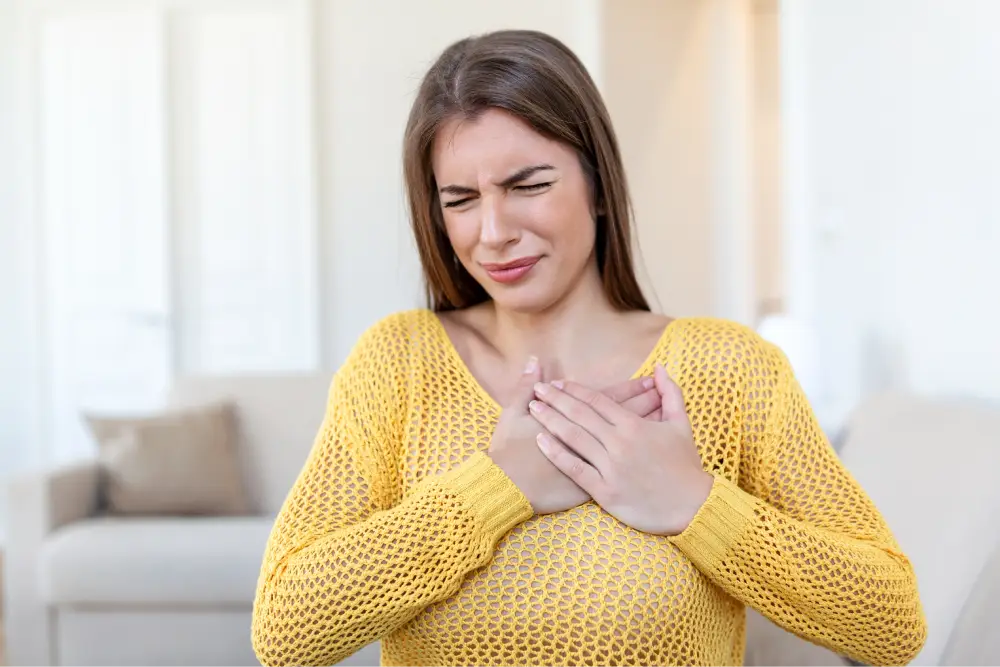
Not all heart palpitations are dangerous. In many situations, they are triggered by factors such as stress, dehydration, caffeine, poor sleep, intense emotions, or anxiety. However, because they involve the heart, they often create fear and panic, especially for people who have never experienced them before.
Can Anxiety Cause Heart Palpitations?
Yes, anxiety can absolutely cause heart palpitations.
When a person experiences anxiety, the body activates its natural stress response, commonly known as the fight-or-flight response. During this process, stress hormones like adrenaline and cortisol are released into the bloodstream. These hormones prepare the body to react quickly to perceived danger.
As adrenaline levels rise, several physical changes occur:
- The heart beats faster
- Blood pressure increases
- Breathing becomes quicker
- Muscles tighten
- Alertness increases
These physical reactions are completely normal during moments of stress. However, they can also create uncomfortable sensations such as pounding or racing heartbeats.
According to the Anxiety & Depression Association of America (ADAA), nearly 40 million adults in the United States experience anxiety disorders every year, making anxiety one of the most common mental health conditions. Physical symptoms such as heart palpitations are extremely common among people dealing with anxiety.
For some individuals, heart palpitations happen only during stressful situations. Others may experience them while resting, trying to sleep, or even during normal daily activities.
Why Anxiety Causes Physical Symptoms
Many people think anxiety only affects thoughts and emotions, but anxiety often produces strong physical symptoms throughout the body.
The brain and nervous system are closely connected. When the brain senses fear or stress, the body reacts physically even if there is no immediate danger present. This response can trigger symptoms such as:
- Rapid heartbeat
- Sweating
- Chest tightness
- Shaking
- Dizziness
- Shortness of breath
- Nausea
Common Anxiety Symptoms That Affect the Body
Emotional Symptoms | Physical Symptoms |
Excessive worry | Heart palpitations |
Feeling overwhelmed | Rapid heartbeat |
Panic or fear | Sweating |
Difficulty concentrating | Chest tightness |
Irritability | Dizziness |
Restlessness | Shortness of breath |
According to the U.S. Food & Drug Administration Anxiety Resource Center, anxiety disorders frequently involve physical symptoms, including rapid heartbeat, breathing difficulties, and muscle tension.
For many people, heart palpitations create a cycle of fear. The person notices their heartbeat, becomes worried about it, and that fear causes anxiety levels to rise even more. As anxiety increases, the heart may beat faster, which makes the symptoms feel even stronger.
Symptoms of Anxiety-Related Heart Palpitations
Anxiety-related palpitations can feel different from person to person. Some individuals experience mild fluttering sensations, while others feel intense pounding that causes panic.
Common symptoms include:
- Racing heartbeat
- Fluttering in the chest
- Skipped heartbeat sensations
- Strong or pounding heartbeats
- Chest tightness
- Difficulty relaxing
- Shortness of breath
- Dizziness or lightheadedness
- Increased fear or panic
These symptoms often appear during stressful moments, emotional overwhelm, panic attacks, or periods of excessive worry.
In many cases, the symptoms improve once anxiety levels decrease. However, chronic stress and ongoing anxiety can cause symptoms to return repeatedly.
Can Anxiety Cause Heart Palpitations for Days?
Yes, anxiety can cause heart palpitations for days, especially when someone is experiencing prolonged stress or chronic anxiety.
When the nervous system remains activated for long periods, the body continues producing stress hormones. This can lead to repeated episodes of rapid heartbeat or constant awareness of the heart beating.
Some people notice symptoms:
- Throughout the workday
- Late at night
- Immediately after waking up
- During periods of overthinking
- During emotionally stressful situations
Lack of sleep, excessive caffeine intake, dehydration, and ongoing emotional stress can all make symptoms worse.
Although anxiety-related palpitations are common, persistent symptoms should not be ignored. If heart palpitations continue for several days or become severe, it is important to seek medical evaluation to rule out heart-related conditions or other underlying health issues.
The Link Between Panic Attacks and Heart Palpitations
Heart palpitations are especially common during panic attacks.
A panic attack is a sudden episode of intense fear that triggers strong physical reactions in the body. During a panic attack, adrenaline surges rapidly, which can cause the heart to beat much faster than normal.
People experiencing panic attacks may feel:
- Chest pain
- Racing heartbeat
- Sweating
- Shaking
- Dizziness
- Trouble breathing
- Fear of losing control
- Fear of dying
Because these symptoms can feel extremely intense, many individuals believe they are having a heart attack.
According to the National Institute of Mental Health (NIMH), around 4.7% of adults experience panic disorder at some point in their lives. Panic attacks are far more common than many people realize.
The Cleveland Clinic also notes that panic attacks frequently involve symptoms such as a racing heartbeat, chest discomfort, dizziness, and shortness of breath that can closely resemble serious cardiac events.
When to Worry About Heart Palpitations
Although anxiety is a very common cause of heart palpitations, there are situations where medical attention is necessary.
You should speak with a healthcare provider if palpitations occur alongside:
- Chest pain
- Severe shortness of breath
- Fainting
- Extreme dizziness
- Swelling in the legs
- Symptoms during physical activity
- A known history of heart disease
Heart palpitations can sometimes be connected to medical conditions such as arrhythmias, thyroid disorders, anemia, or cardiovascular disease. A medical evaluation can help identify the underlying cause.
If physical causes are ruled out, anxiety may be identified as the primary trigger.
How to Stop Heart Palpitations Due to Anxiety
Managing anxiety-related heart palpitations often involves calming both the mind and body. While symptoms may not disappear immediately, several healthy strategies can help reduce their intensity and frequency.
Deep breathing exercises are one of the most effective ways to calm the nervous system. Slow breathing signals the body that it is safe, which helps lower adrenaline levels and slow the heartbeat naturally.
Reducing caffeine intake may also help. Coffee, energy drinks, and high-caffeine beverages can stimulate the nervous system and worsen both anxiety and heart palpitations.
Sleep also plays an important role. Poor sleep increases stress hormone levels and makes the body more sensitive to anxiety symptoms. Improving sleep habits may significantly reduce physical anxiety symptoms over time.
Regular physical activity can also help regulate stress and improve emotional well-being. Activities such as walking, yoga, stretching, and cycling can help reduce nervous system tension and support heart health.
Mindfulness practices, meditation, and grounding techniques may help individuals interrupt anxious thought patterns before symptoms escalate.
However, if heart palpitations are happening frequently, causing fear, interfering with daily life, or occurring alongside ongoing anxiety or panic attacks, it is important to consult a mental health professional. Persistent anxiety symptoms often require more than temporary coping strategies.
At Birch Grove Mental Health, our experienced mental health professionals provide evidence-based treatment, including therapy, medication management, and personalized care plans to help individuals manage anxiety symptoms at their source. Seeking professional support early can help prevent symptoms from becoming more severe and improve both emotional and physical well-being over time.
Lifestyle Factors That Can Make Symptoms Worse
Certain lifestyle habits can increase the frequency or intensity of anxiety-related heart palpitations.
Chronic stress is one of the biggest contributors. Constant pressure from work, relationships, finances, or personal challenges keeps the nervous system in a heightened state of alertness.
Other factors that may worsen symptoms include:
- Poor sleep habits
- Excessive caffeine
- Smoking
- Alcohol use
- Lack of physical activity
- Excessive screen time
- Poor nutrition
Making gradual improvements in these areas can help support both mental and physical health.
Final Thoughts
So, can anxiety cause heart palpitations? Yes, it can. Anxiety has a powerful effect on the nervous system, and heart palpitations are one of the most common physical symptoms associated with stress and anxiety disorders.
While these sensations are often harmless, they can still feel frightening and overwhelming. Understanding the connection between anxiety and physical symptoms can help reduce fear and encourage people to seek appropriate care.
If you are struggling with ongoing anxiety, panic attacks, or heart palpitations that interfere with your daily life, professional support can make a meaningful difference.
Birch Grove Mental Health provides compassionate anxiety medication management tailored to each individual’s needs. Seeking support is an important step toward feeling calmer, healthier, and more in control of your well-being.
Fill the form below to contact us quickly if you are facing any mental health-related issues.