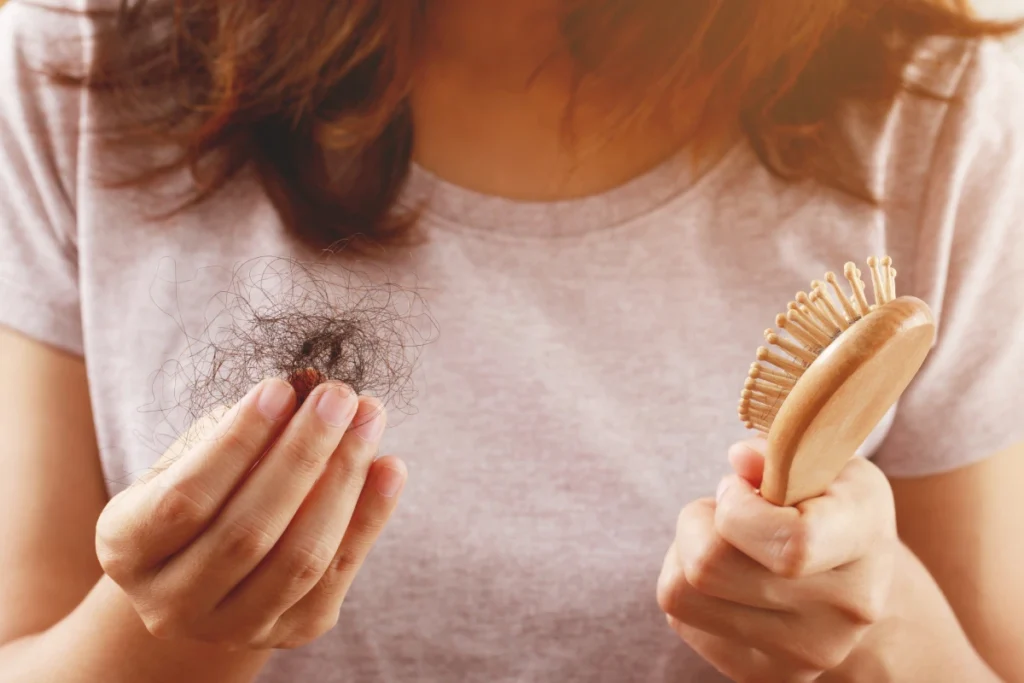
Hair loss in women can feel confusing, especially when hormones are involved. Many people start searching for answers with one key question: Does high testosterone cause hair loss in females?The answer is yes, it can. But the relationship between hormones and hair loss is not always straightforward. It involves a combination of hormonal balance, genetics, …

Hair loss in women can feel confusing, especially when hormones are involved. Many people start searching for answers with one key question: Does high testosterone cause hair loss in females?
The answer is yes, it can. But the relationship between hormones and hair loss is not always straightforward. It involves a combination of hormonal balance, genetics, and how sensitive your hair follicles are to hormonal changes.
Understanding this connection can help you move beyond guesswork and toward the right kind of care.
How Common Is Hair Loss in Women?
Hair loss in women is far more common than most people assume. In the United States alone, millions of women experience noticeable thinning at some point in their lives. Research suggests that by midlife, a significant percentage of women will have some degree of hair thinning, often linked to hormonal changes.
This growing prevalence highlights an important point. Hair loss is not just a cosmetic concern. It is often a sign that something deeper, such as a hormonal imbalance, may be at play.
Understanding Testosterone in Women
Testosterone is commonly associated with men, but it is also an essential hormone in women. In balanced amounts, it supports energy levels, muscle strength, and overall well-being.
Problems begin when testosterone levels become too high or fall out of balance with other hormones like estrogen. This imbalance can affect several systems in the body, including hair growth.
Does High Testosterone Cause Hair Loss in Females?
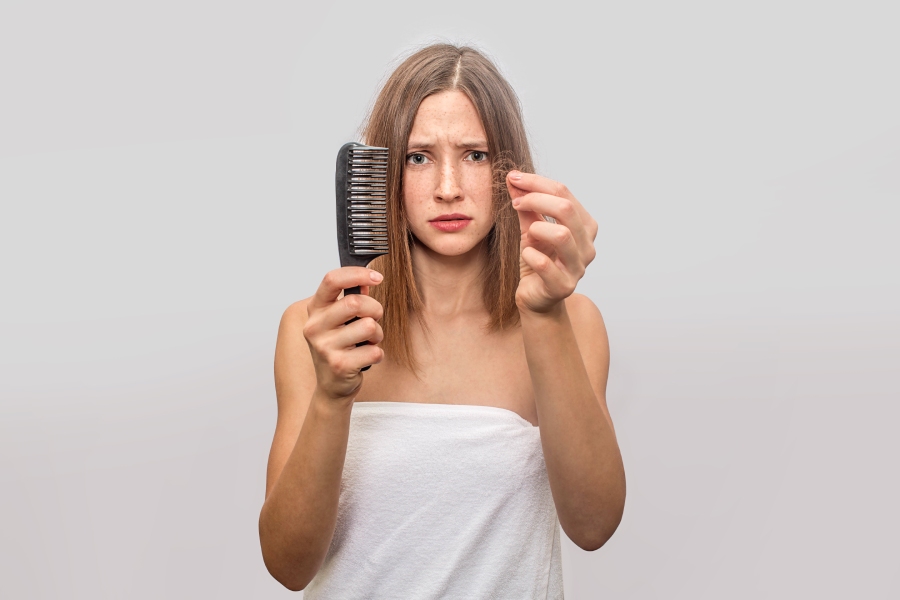
Yes, high testosterone can contribute to hair loss, particularly a condition known as female pattern hair loss.
The process begins when testosterone converts into a more potent hormone called dihydrotestosterone, or DHT. This hormone binds to hair follicles and gradually causes them to shrink. Over time, this leads to thinner strands, slower growth, and increased shedding. This mechanism is well documented in medical research on androgen-related hair loss.
However, not every woman with high testosterone will experience hair loss. Genetics plays a major role, especially in how sensitive your hair follicles are to DHT.
What Causes High Testosterone in Females?
Elevated testosterone levels in women are often linked to underlying conditions rather than occurring on their own.
Some of the more common causes include polycystic ovary syndrome, insulin resistance, and adrenal imbalances. In many cases, hair loss appears alongside other symptoms such as acne, irregular periods, or changes in body hair.
This combination of symptoms can be a strong indicator that hormones are contributing to the issue.
Does Testosterone Therapy Cause Hair Loss or Acne?
Another common concern is: Does testosterone therapy cause hair loss or acne?
The answer depends largely on how the therapy is managed.
When testosterone levels rise beyond an optimal range, the body may convert more of it into DHT. This can lead to scalp hair thinning and increased oil production, which may trigger acne.
However, properly managed hormone therapy is designed to restore balance, not create excess. When treatment is carefully monitored and adjusted, these side effects can often be minimized.
This is why working with experienced professionals is so important. Hormone therapy should always be individualized rather than standardized.
Does Low Testosterone Cause Hair Loss?
While high testosterone is often the focus, low levels can also affect hair health.
So, does low testosterone cause hair loss?
Yes, but in a different way.
Low testosterone can lead to reduced hair density and slower growth. Instead of a specific pattern of thinning, the hair may appear generally weaker or less full over time.
This reinforces an important idea. Hair growth depends on balance. Both excess and deficiency can disrupt the normal cycle.
Why Hormonal Balance Matters More Than One Number
Hair loss is rarely caused by a single hormone in isolation. It is usually the result of how different hormones interact with each other.
For example, high testosterone combined with lower estrogen levels can accelerate thinning. Similarly, metabolic factors like insulin resistance can increase androgen activity and worsen symptoms.
This is why two individuals with similar lab values may have very different experiences. The overall hormonal environment matters more than any single measurement.
Testosterone Level | What Happens in the Body | Impact on Hair |
High Testosterone | Increased conversion to DHT (dihydrotestosterone), higher androgen activity | Hair follicle shrinkage, thinning at the crown, female pattern hair loss |
Balanced Testosterone | Hormones work in a proper ratio with estrogen and other systems | Healthy hair growth cycle, normal thickness, and shedding |
Low Testosterone | Reduced hormonal support for hair growth and regeneration | Decreased hair density, slower growth, overall thinning |
Signs Your Hair Loss May Be Hormonal
Certain patterns can suggest that hormones are playing a role in your hair loss. You may notice gradual thinning at the crown, a widening part, or increased shedding over time. In some cases, this may occur alongside acne or changes in menstrual cycles.
While these signs do not confirm a diagnosis, they often indicate that a deeper hormonal evaluation is worth considering.
A More Focused Approach to Treatment
Hair loss related to testosterone is not something that can be effectively addressed with a one-size-fits-all solution. It requires understanding the underlying cause and treating it accordingly.
At Birch Grove Hormone Solutions, the approach is centered on identifying hormonal imbalances through comprehensive evaluation and then creating a treatment plan based on individual needs.
This includes detailed hormone testing, symptom analysis, and ongoing adjustments to ensure that treatment remains effective over time.
Treatment Options for Hormonal Hair Loss
The right treatment depends on what is driving the imbalance.
If testosterone levels are high, the focus may be on reducing androgen activity or limiting the effects of DHT. If levels are low, restoring hormonal balance becomes the priority.
In both cases, lifestyle factors such as nutrition, stress, and metabolic health can play a significant role in outcomes. Because every case is different, treatment should always be guided by a thorough understanding of the individual rather than assumptions.
Final Thoughts
So, does high testosterone cause hair loss in females? Yes, it can, particularly when it leads to increased DHT activity and follicle sensitivity.
At the same time, low testosterone can also contribute to thinning, which highlights the importance of balance rather than focusing on a single hormone.
Hair loss is increasingly common among women in the United States, and in many cases, hormones are a key factor behind it. Understanding what your body is doing is the first step toward finding the right solution.
If you’re ready to take the next step, Birch Grove Hormone Solutions provides a more focused, individualized approach to testosterone optimization. We offer thorough diagnostic evaluation, personalized testosterone therapy when appropriate, and continuous follow-up care, helping you achieve sustainable improvements in energy, mood, and overall well-being.